During the winter, we expect our roofs to take a battering from harsh storms, cold temperatures and heavy rains. But did you know summer heatwaves can also impact the integrity of your roof?
Met Office scientists are predicting even hotter temperatures in the future and issuing extreme heat warnings more frequently. In the future, homeowners in Bath and Bristol will have more than winter weather to be wary of.
How can heat damage your roof?
Roofs can be covered with several different materials, all designed to keep the home warm and dry. Among these are common tiling options such as terracotta, natural slate and concrete. Flat roofs are often covered with fibreglass, felts or EPDM rubber cover.
Each of these materials will react slightly differently to extreme heat and the accompanying UV rays from strong sunlight. However, there are some common issues across all materials which can cause damage and degradation to your roof covering.
Expansion due to heat
The heat causes the roofing materials to expand, shifting their positions and damaging the fixings and other elements around them. This can loosen tiles to the point where they may fall off, leaving you with a hole.
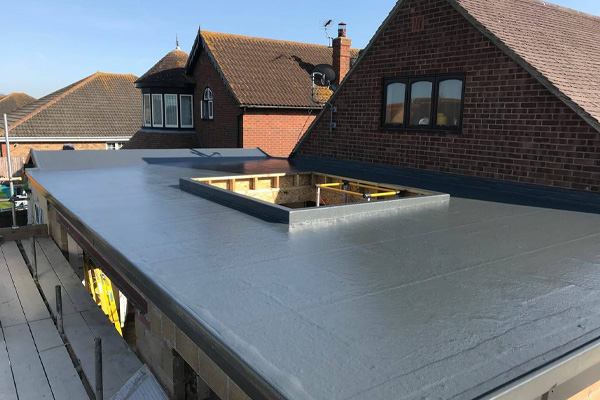
For flat roofs, the same applies; the expansion and then subsequent contraction when it cools can leave cracks and gaps at seams and edges. Heat can also affect the elasticity of rubber roofing (EPDM), causing shrinkage and potential cracks.
Failed fixings
Fixings such as clips and nails can expand and contract, warping and degrading in heat, particularly when tiles are shifting. When the next big storm arrives, they can fail, causing the tiling to become loose.
UV damage
Particularly relevant to traditional flat roofing materials such as felt or asphalt shingles on dormer cheeks (the sides). UV rays affect the chemical makeup of roofing materials, and this can make them more brittle.
Blistering and adhesive failure
Traditional felt roofing and other types of flat roofs use adhesive to seal the seams and edges. In high temperatures, these adhesives can melt, causing the seams to be less watertight.
Blistering can also occur where patches of the roof are damaged, and then subsequently water and dampness can seep in.
Damage to the waterproof membrane
While traditional tiles in slate, terracotta and concrete can withstand temperatures quite well, the waterproof membrane underneath the tiles can be prone to damage.
Why is ventilation important for your roof?
When your roof is built, it is designed to be waterproof but not airtight. Good airflow in the roof space or attic can help to insulate and regulate internal temperatures.
In a heatwave, the attic space will often be the hottest area in the home. This can worsen some of the effects of high temperatures on the exterior of the property.
To mitigate these, adequate ventilation is needed to allow hot air to escape. A bonus of good roof ventilation is that, in releasing the excess heat, it can make the home more comfortable for you.
What are the best heat-resistant materials for your roof?
When considering a new roof for your property, your roofing contractor can discuss how the materials will cope with temperature fluctuations.
Although all roofs will degrade over time when exposed to extreme weather, some fare better than others.
Natural slate roofs can withstand significant temperature fluctuations and, as such, can last up to 200 years. Concrete and cement-based tiles are also resilient to high temperatures, though not to the same extent as slate.
Options such as terracotta tiles can also withstand heatwaves well and are often used for construction in hot countries. The downside is that its porous nature makes it less resistant to freeze-thaw in the winter, and it can crack in sudden high heat, such as from a fire.
