After storms, high winds and other adverse weather conditions, your roof will have taken a beating. You may have discovered a few tiles have come loose, or you may be dealing with a sizeable leak.
Or perhaps you have just bought or are about to invest in a property. Either way, now might be the time to book a roof inspection and check the soundness of the structure and roof covering.
How is a roof inspection done?
Roof inspections require a roofer to assess the structural integrity of the roof from both outside and inside your home, for example, in your loft or attic.
An external inspection will often involve ladders or scaffolding, and Health & Safety Executive working at height regulations will apply. This is why a roof inspection should only be done by a fully trained professional.
Professional roofing contractors are fully insured, registered and experienced to be able to safely access and move around on your roof.
Some roofing contractors will only perform a basic visual check on your roof before providing a quote for repairs. However, a full inspection and report will give a more accurate picture of the roof’s condition.
What do roofers look for during an inspection?
This will depend on the roofing materials, but a roof inspection will include some or all of the following:
Exterior roof damage
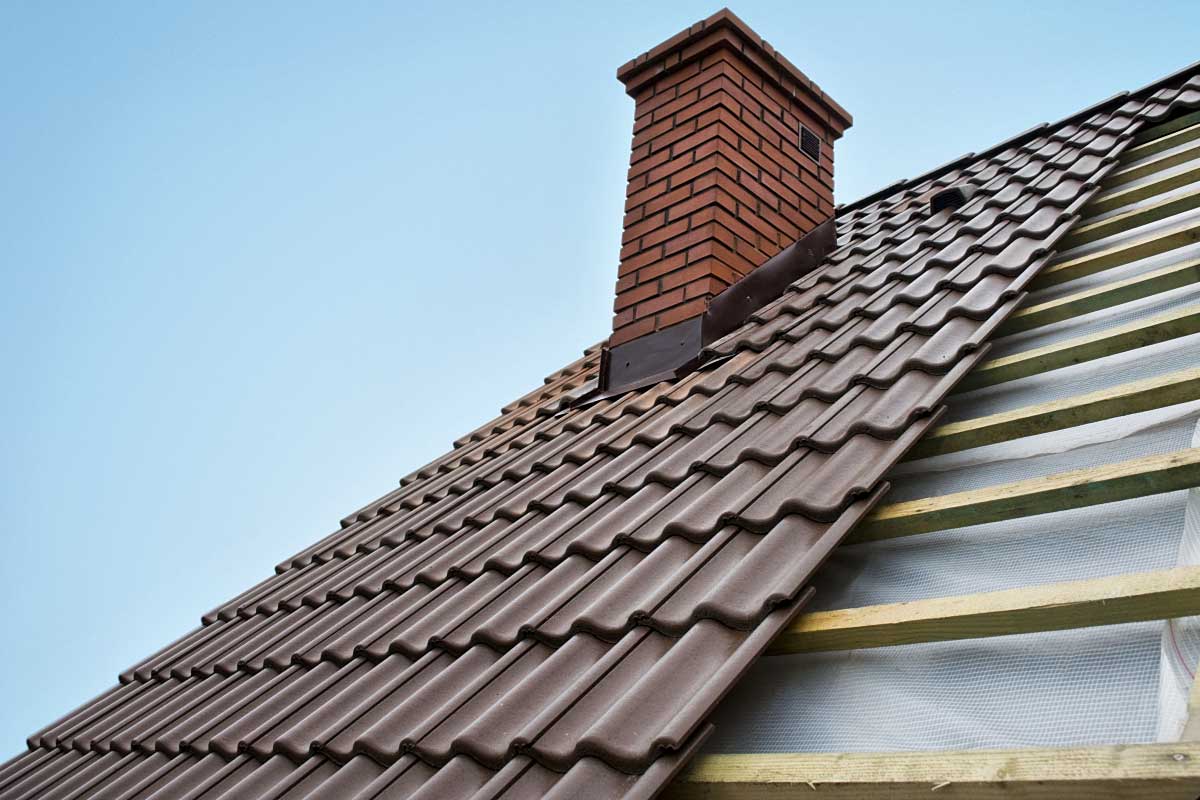
- Cracked and missing tiles
- Bubbling, splitting at joins, cracks and worn patches on flat or felt roofs
- Crumbling mortar around the edges and the ridge of the roof
- Loose or deteriorated nails
- Missing flashing and cracks or gaps in fascia
- Structural integrity of the chimney stack
- Plant growth, eg moss and weeds
- Guttering will also be checked for cracks, blockages and other issues
Interior roof damage
- Dampness, leaks and puddling
- Rotten timbers, rafters and slats
- Damage to or missing vents
- Insulation that is missing, damaged or inefficient
What does a drone roof inspection involve?
As a safer and more efficient alternative, a drone inspection of the exterior of your property can be done. Using a drone means less disruption to your day, no workers on your roof and a much easier process.
Drone inspections are particularly useful when dealing with large or difficult-to-access roofs. They are also more cost-effective than a traditional roof inspection as they are faster and require fewer resources and labour time.
How long does a roof inspection take?
The time a roof inspection takes to complete will depend on the size of the property and how complicated the roof is. Typically, they can take between one and three hours.
For example, a small flat roof or single-ridge pitched roof will take less time than a larger property, one with mixed roofing materials or with many dormers and extensions.
The cost of a roof inspection will also depend on the size and accessibility of the property’s roof, and this will be discussed during a consultation before the inspection is done.
What happens after a roof inspection?
After our expert roofers have assessed the full extent of the damage and wear and tear to your roof, we can advise on the work needed.
This will include a detailed report on the areas that need repair and advice on weaknesses in the structure of your roof.
Building regulations for roof repairs may apply to your property. If you are replacing 50% or more of an existing roof or if new sections of roof will increase the weight or change the type of roof, then planning permission is required.
Contact NTL Roofing for an initial consultation about your Bristol property’s roof.
