
As the weather gets colder, the chances of storms increase, which can increase the chances of damage to your roof and the need for specialists to fix it.
Whilst this typically takes the form of heavy rain, snow, hail or extremely strong winds, the risk of thundersnow and even lightning strikes hitting your roof is not outside the realm of possibility.
In January 2025, BBC News reported on a house in Cumbria where a lightning strike tore the roof off entirely, and although thankfully nobody was injured, the roof itself was completely unsalvageable.
Whilst lightning strikes are fairly uncommon, and it is even less common that they would cause that scale of devastation, they can create a lot of chaos, disruption and unusual damage to a roof.
With that in mind, here are the steps you should take when preparing to fix lightning strikes.
Safety First
Before you worry about repairing damage or appearances, focus on the safety of everyone in the building. Check for injuries, look for any signs of fire, smoke or structural damage and call 999 if you feel as if your life is in any danger.
What matters more than anything else is your immediate safety. Once that is sorted out, specialists can get to work fixing the visible and invisible damage that a lightning strike can cause.
Contrary to urban myth, lightning can and does strike twice in the same area, so you should either wait in your home if it is safe to do so or evacuate to a safe place until the damage is clear.
If you are worried about your gas, water or electrical supplies being damaged, shut them off at the mains and contact a professional to inspect them for safety as soon as the storm has passed.
Check For Damage
Once it is safe to do so, check the roof for visible signs of damage, some of which are more obvious than others.
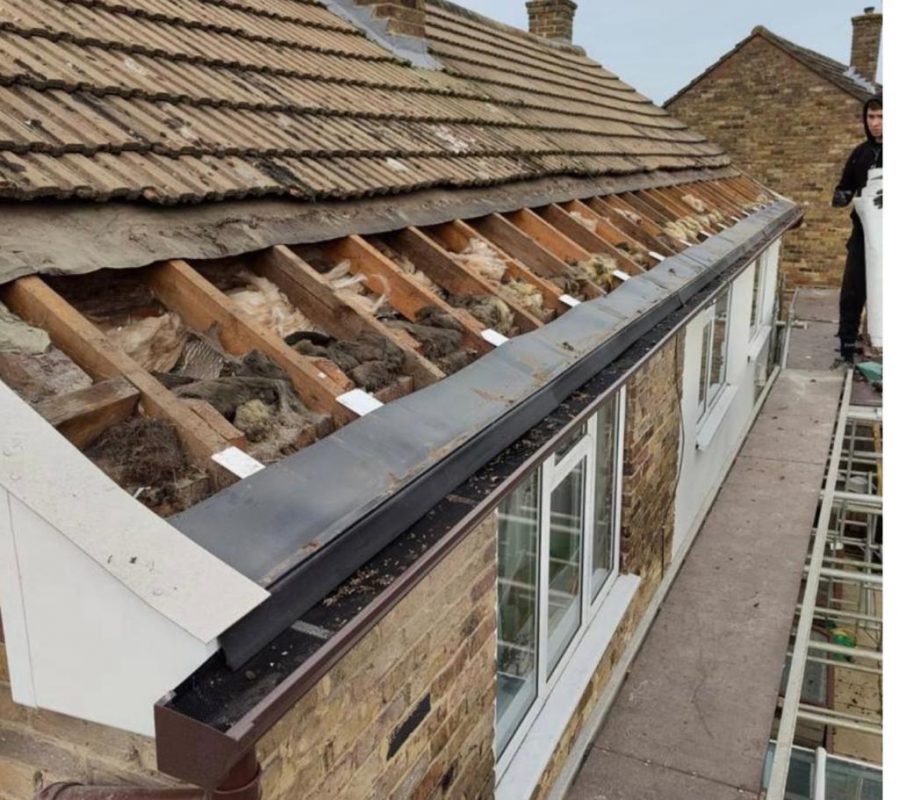
Whilst lightning strikes on roofs are relatively rare, the damage tends to manifest as missing shingles, cracked tiles, scorch marks and warped guttering caused by the intense heat of a lightning strike.
However, there are also smaller, less obvious signs, such as puncture holes in roof linings, misalignment or sagging, all of which could be signs of potentially more significant structural damage to your roof.
Cover Any Gaps
The end of lightning strikes does not necessarily mean the end of rain showers, so make sure that you use tarpaulin or plastic sheets to cover any gaps in your roof, if you feel confident enough and it is safe enough to do so.
If not, contact professionals or people you trust, and they will add temporary protective measures and stabilisation whilst preparing for a full repair.
Call The Professionals
A full roof repair will need specialists, and you will also likely need to contact an electrician, a gas engineer and possibly a structural engineer, depending on the level of damage to the property.
Many, if not most, home insurance plans cover lightning strikes as part of storm cover, so contact your insurer to let them know what is happening and if they need you to take any specific steps to protect your home and successfully make a claim.
